auto protection services for long-term value and peace of mind
I study how coverage frameworks shift vehicle expenses across the ownership arc. The goal is simple: trade unpredictable repair shocks for steadier costs without overpaying for theoretical risks. Prices vary by model, mileage, and region, but the pattern is surprisingly consistent.
What's usually inside a protection bundle
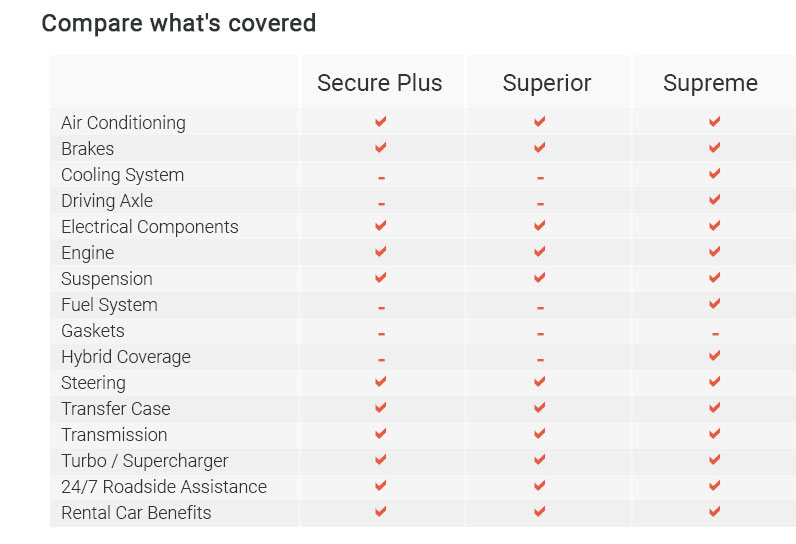
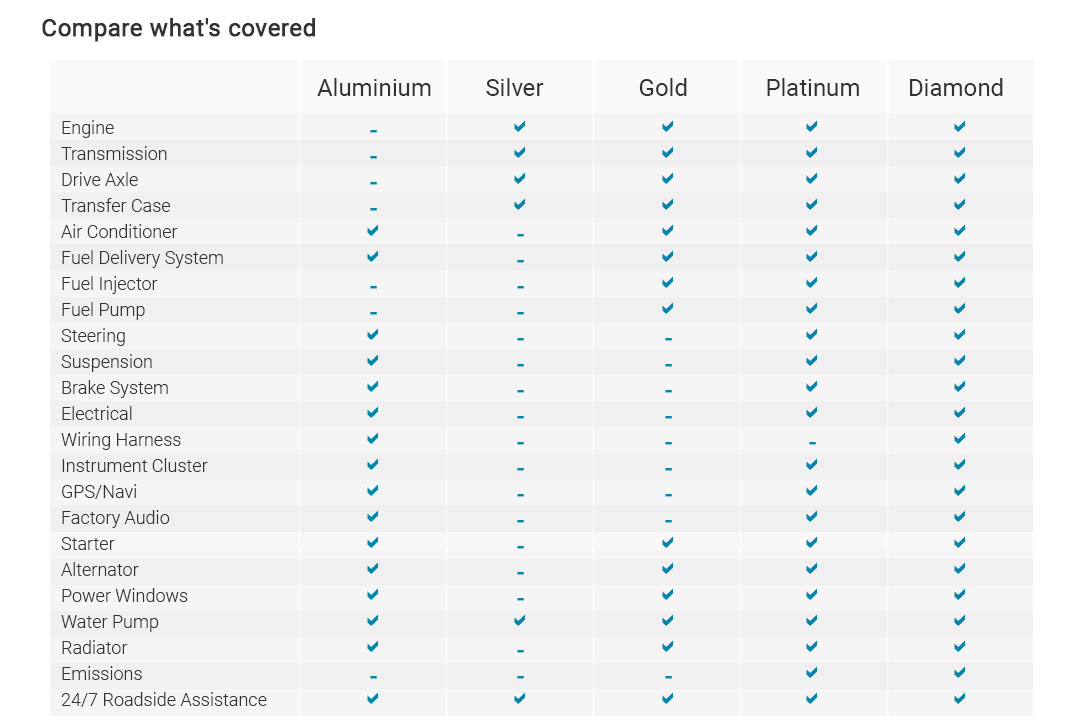
Mechanical breakdown coverage: engine, transmission, and major components after factory warranty lapses.
Electrical and tech systems: infotainment units, sensors, wiring - often where modern cars fail.
Roadside assistance: towing, jump-starts, lockouts, fuel delivery; small services that prevent bigger headaches.
Rental or trip interruption: keeps life moving while repairs happen.
Wear and maintenance add-ons: prepaid service plans, brake/rotor or tire provisions (varies widely).
A cost-versus-benefit lens
The math is expectation-driven: probability of failure multiplied by repair severity, plus your personal cost of downtime. I sometimes pause - pay now for a "maybe" later? The pause is useful; it forces a clearer view of trade-offs.
Upfront premium: compare to the average of likely repairs over the coverage window.
Expected claim frequency: higher on high-mileage commuting or turbo/hybrid systems with complex parts.
Severity risk: a single transmission or battery pack replacement can dwarf several years of premium.
Downtime value: missed work, rideshares, and stress carry real cost even if spreadsheets ignore them.
Inflation hedge: parts and labor usually rise; coverage priced today can offset tomorrow's jumps.
Finance interplay: if you'd put repairs on high-interest credit, protection can be the cheaper financing path.
A quick real-world moment
Rainy Tuesday, a coworker's starter failed in a grocery lot. The plan covered towing, a loaner, and the new unit. She was at her desk the next morning, calm. Nothing glamorous - just friction removed.
Long-term impact
Auto protection services don't only avert big bills; they shape ownership behavior. People who hold coverage tend to approve recommended repairs sooner and keep maintenance timely, which stabilizes reliability and can support resale confidence.
Budget smoothing: fewer spikes, easier planning.
Higher uptime: roadside and rentals reduce disruption.
Resale signal: documented coverage and service records reassure buyers.
Extended warranty/service contract: parts and labor beyond factory terms.
Mechanical breakdown insurance (MBI): insurance-form coverage in some states.
Prepaid maintenance: oil, inspections, and intervals at locked pricing.
Roadside + rentals: convenience layer; cheap peace of mind.
GAP or total-loss add-ons: protects against loan/lease shortfall after a serious loss.
Appearance/corrosion plans: more about resale presentation than mechanics; value varies.
What to read in the fine print
Eligibility and timing: odometer caps, wait periods, pre-inspection rules.
Coverage definition: named-component vs exclusionary lists; the latter usually clearer.
Labor rates and diagnostics: capped hours or shop restrictions affect real payout.
Deductibles per visit vs per repair: one visit fee can be far cheaper.
Network freedom: OEM dealers vs any licensed shop.
Wear-and-tear exclusions: bushings, trim, glass - know what's not covered.
Transferability and cancellations: can add value at resale or recoup unused premium.
Who tends to benefit
Owners planning to keep the car past factory warranty, especially 6 - 10 years.
High-mileage commuters and rideshare drivers who value uptime.
Vehicles with complex tech: turbo, plug-in, EV thermal management, advanced infotainment.
Budgeters who prefer fixed monthly cost over volatile repair risk.
A simple decision path
Estimate three repairs you'd least like to pay for; check typical costs from reputable sources.
Compare a few coverage quotes against those repair totals over the same time frame.
Add your downtime cost and inconvenience tolerance as a real line item.
Choose the lowest expected total cost that still protects against catastrophic outliers.
Signals of provider quality
Green lights: clear exclusionary wording, nationwide shop choice, transparent labor rates, easy claims hotline, and transfer options.
Red flags: high-pressure sales, vague component lists, "maintenance required at our facility" mandates, and multiple deductibles per visit.
Bottom line
Auto protection services are most valuable when they convert rare but wallet-breaking failures into predictable, budgetable costs while preserving mobility. If the coverage price is meaningfully lower than the combination of likely repairs and downtime - and the terms are transparent - the long-term benefit tends to outweigh the premium. If not, good maintenance and a dedicated repair fund may serve you better.
https://www.allstate.com/vehicle-protection
Choose from our vehicle protection products designed to help you pay for vehicle repairs and services that your manufacturer's warranty doesn't cover.
https://www.capitalautoprotectionservices.com/
CAPS is an administrative organization that specializes in providing our customers with financial security through vehicle service contracts.
https://apsrustandtint.com/
Protection Services For Your Cars & Trucks in Fairfax, Virginia. Automotive Protection Services provides professional undercoating, rust proofing, auto ...